In My Groovy Retro Softball Mom Era Svg: Embroidery Verdict
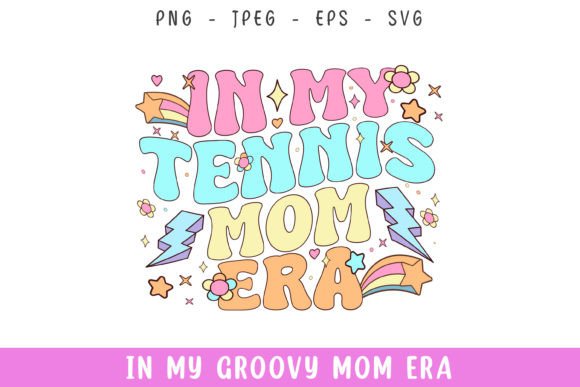
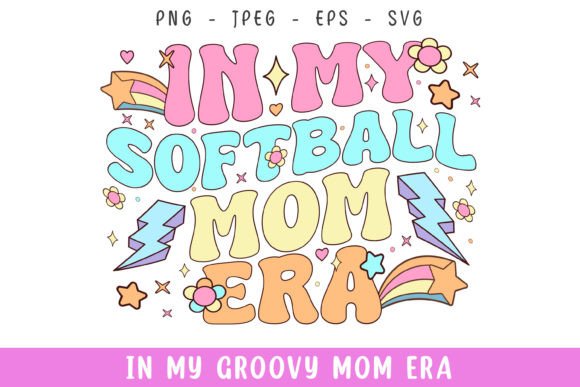
There’s a certain smile that hits the second you unzip a fresh design file and realize it has the kind of personality that actually connects with real people. That’s the exact feeling I got when I first opened In My Groovy Retro Softball Mom Era Svg. The letters are bouncy, full of that 1970s sunshine energy, and the softball element is tucked in with just enough whimsy to make a mom feel seen—not just as a parent, but as someone living her own cool, retro chapter. The shape is compact but not stiff, the layout flows naturally, and the whole mood walks a sweet line between playful and proudly nostalgic. Right away I knew this wasn’t a generic “mom” graphic. It has a theme, a story, and a clear visual voice that fits embroidery projects meant to feel personal, handmade, and a little bit funky.
What the Design Actually Brings to the Embroidery Table
Since this is a 100% vector file, you’re not handed a ready-to-stitch embroidery file. You’re getting a crisp, editable design asset that you can scale, recolor, and then digitize for machine embroidery. That’s a huge plus for anyone who likes control over their stitch work. The fact that it’s easy to change color for a dark t-shirt or white T-shirt or mugs means you can flip the palette instantly—bright neon threads on a black sweatshirt, or soft earthy tones on a cream tote. The bold, beefy letterforms translate beautifully into satin stitch segments, and the softball’s curved seams are begging for a clean fill stitch with a delicate outline. You’ll notice a few fine details, like the little star accents or the slender connecting lines in the “Mom Era” script. Those are adorable but they’ll need a careful digitizing eye—too small and your stitch density might cause thread breaks or lose definition on textured fabric.
Putting It to the Test: A Softball Mom Sweatshirt
I recently used this design for a custom order—a client who wanted a gift for her sister, a lifelong softball player and new mom. The plan was a cozy crewneck sweatshirt in heather charcoal. I pulled the SVG into my software, adjusted the colors to a retro tangerine and hot pink, and digitized the design as a combination of wide satin for the chunky “In My Groovy Retro” header and a lighter fill for the softball. The lettering on the bottom “Softball Mom Era” was smaller, so I reduced the stitch length slightly and added an underlay to keep the edges crisp. I tested on a scrap of the same fleece with a cutaway stabilizer. The first run showed a tiny bit of puckering around the thin stars, so I lowered the density there. After that tweak, the design stitched out beautifully—the letters had a plush, dimensional look, the softball was instantly recognizable, and the whole piece had that warm, handmade boutique feel. The client’s reaction? She said it looked like a hug from the 70s. That’s the kind of finished product that builds trust and repeat orders.
Where It Thrives and Where You Need to Be Cautious
This design is a natural fit for products that want a touch of personality. Think custom apparel like sweatshirts, t-shirts, and hoodies, but also tote bag design projects, denim jackets, and even embroidered patch creations. The groovy retro vibe plays wonderfully on pillow covers, tea towels, and aprons for a fun kitchen gift. I’ve seen it look darling on a baby onesie for a softball mom—just size it down and test your stitch count on that thin, stretchy fabric. It also works on caps, but you’ll want to watch the width. The design has a horizontal spread; on a curved cap surface, the ends might distort if you don’t slightly arc your digitizing or reduce the overall size. Small hoop sizes (like 4x4) can be limiting if you want the full design to be large and readable. I’d recommend keeping the longest side under 3.5 inches for a 4x4 hoop, and even then, check that the tiny “Mom Era” script doesn’t become a blob. Always run a test on a similar fabric and with the same stabilizer you plan to use for the final product.
Fabric texture matters a lot. On plush or high-pile fabrics, the small details might get lost. A water-soluble topper can save the day. On dark fabrics, the design’s visual impact relies on thread choice. Since the vector is easy to recolor, you can reverse the palette for a dark shirt—use light, vibrant threads that pop. The same goes for white shirts; keep the colors bold and contrasty. If you’re working with thin or stretchy fabric, a lightweight stabilizer is your friend, and you might consider reducing the stitch density slightly to avoid waves.
Why This Design Stands Out to Buyers
From a craft business perspective, the appeal is immediate. The phrase “In My Groovy Retro Softball Mom Era” is specific enough to catch a niche audience but universal enough to gift. It taps into the current love for retro mom culture, hippie aesthetics, and personalized sports merchandise. When you list an embroidered tote or sweatshirt with this design, customers see more than a product—they see a vibe. The visual personality of the graphic, with its rounded letters and playful softball, makes it a strong candidate for printable mockup previews too. You can show the design on a digital product mockup and it already looks engaging, which helps with Etsy listings and social media. The ability to easily change thread colors means you can offer team color variations, seasonal palettes, or even split the design into multiple product lines without starting from scratch.
For personalized gifts, this design hits a sweet spot. It’s not overly complex, so it stitches out relatively quickly once digitized, keeping production time friendly for small shops. The finished product feels like a thoughtful, curated item—perfect for Mother’s Day, birthday gifts, or boutique craft fair merchandise. And because it’s a vector file, you can combine it with other design elements, like adding a name or a jersey number, to create a fully custom piece.
Practical Notes Every Embroidery Designer Should Run Through
Before you stitch this on a client’s order or add it to your product line, work through a quick checklist. These are the steps I never skip:
- Test on scrap fabric first—ideally the exact material you’ll use for the final project.
- Check thread color contrast on both light and dark backgrounds. What looks great on a computer screen might wash out on a real shirt.
- Review stitch density in your digitizing software. The default settings might be too heavy for thin fabrics or too light for plush ones.
- Confirm your hoop size can comfortably fit the design plus some breathing room.
- Inspect the small details—the stars, the softball’s inner lines, and the cursive “Mom Era.” Make sure they’re large enough to stitch cleanly.
- Test the design in a black-and-white mockup to see if the composition holds without color. Sometimes contrast issues only show up when you strip the palette.
- Use the right stabilizer for the fabric. Cutaway for knits, tear-away for wovens, and a topper for anything fuzzy.
- Check the license before selling finished items. The product description didn’t specify terms, so reach out to the designer or read the included rights to ensure commercial embroidery use is allowed.
Because the file is 100% vector and easy to recolor, you can also experiment with different aesthetic directions. A neon-on-black version screams retro roller rink; a pastel palette makes it soft and nursery-ready. The graphic’s adaptability is one of its strongest assets.
Commercial Use and Small Shop Potential
If you’re an Etsy seller or run a small handmade business, this design opens up a whole product category. You can stretch it across baby embroidery items (like a tiny onesie that says “Future Softball Mom Era”), holiday embroidery gifts (Mother’s Day is a no-brainer), and even commercial embroidery for team apparel. The design’s groovy edge makes it a standout at craft fairs, where shoppers are drawn to items that feel unique and not mass-produced. I’ve also seen similar designs used on embroidered kitchen towels and aprons, which sell well as “softball mom” gifts for the dugout snack crew. The vector format means you can even use it for coordinating paper goods, like printable gift tags, to create a cohesive brand look without needing separate design assets.
For digital product sellers, the SVG works as a mockup overlay or part of a larger design bundle. But remember, if you’re selling the embroidery digital file itself, you’ll need to digitize it first and ensure you have the rights to resell. Always clarify the original license from the Crafts and Graphics marketplace.
Final Stitch Impression
After working with In My Groovy Retro Softball Mom Era Svg on a real project, I’m genuinely pleased with how it translates from screen to thread. It’s not a design that fights you. The bold shapes, the playful retro lettering, and the easy color customization all make it a practical, joyful choice for embroidery. You’ll need to pay attention to the tiny details during digitizing, and I wouldn’t push it below a certain size without testing, but that’s true for any design with personality. For crafters who want to create handmade products that feel vibrant, personal, and on-trend, this graphic is a solid addition to your design arsenal. Grab your scrap fabric, pick a groovy thread palette, and see what kind of smiling customer reaction you can stitch up.