In My Cheer Mom Era SVG: A Designer's Honest Review
I have spent years working with embroidery files, testing designs on everything from structured caps to soft baby onesies, and I know that not every graphic that looks good on a screen translates well to thread. When I opened In My Cheer Mom Era SVG for the first time, I immediately recognized the kind of design that understands its audience. It taps into a cultural moment without being overly trendy, and it carries a warmth that feels genuine rather than manufactured.
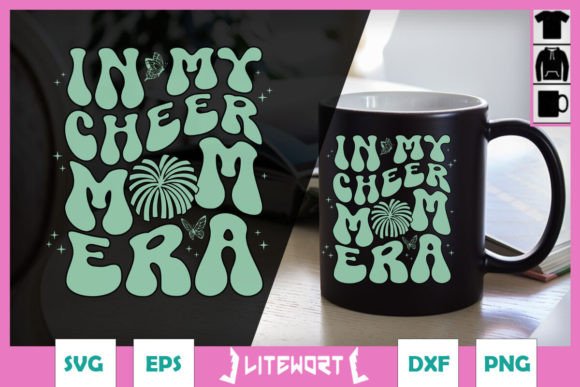
The visual personality lands somewhere between playful and proud. The lettering style, the rhythm of the phrase, and the overall shape suggest something that would feel right at home on a custom sweatshirt at a cheer competition, a personalized tote bag for a mom on the sidelines, or even a cheeky kitchen towel that gets a knowing smile. It is not trying to be overly elegant or fussy, and that is exactly what makes it work for real handmade products.
What struck me first was the balance between sentiment and wearability. The phrase itself carries emotional weight, but the layout keeps it light enough to work across multiple product categories. I could see this on a baby onesie for a newborn announcement, a canvas tote for a cheer mom's gear, or a embroidered patch on a jacket. The design does not box itself into one narrow use case, which is a huge advantage for small business owners and Etsy sellers who want versatility from a single purchase.
First Impressions and Mood
The moment I saw the design, I thought about a customer I worked with last year who wanted something specifically for cheer moms. She struggled to find designs that felt current without being childish. In My Cheer Mom Era SVG hits that sweet spot. The typography carries a confident, modern energy, and the phrase has a self-aware charm that resonates with women who embrace their role without losing their identity in it.
From a purely visual standpoint, the composition feels intentional. The way the words are arranged creates a natural focal point, which is exactly what you want in an embroidery design. When a design has a clear visual hierarchy, it stitches cleaner, reads better at a distance, and photographs more professionally for product listings. Every small business owner knows that a crisp, readable design in a product photo can make the difference between a sale and a scroll past.
Where This Design Truly Shines
After years of testing embroidery files on different substrates, I have developed a mental checklist for where a design will perform best. For this particular graphic, I would confidently recommend it for custom apparel, especially sweatshirts, crewnecks, and relaxed-fit t-shirts. The scale and personality feel made for garments that people want to wear often, not just for a single event.
Tote bags are another natural fit. I recently prepared a batch of embroidered totes for a local boutique, and a design like this would have been perfect for their cheer-themed product drop. The layout reads well on a flat surface, and the proportions work nicely on a standard canvas tote without overwhelming the bag or getting lost in the fabric.
Pillow covers and throw blankets are also worth considering. I have seen a growing demand for personalized home decor that celebrates specific life stages, and cheer moms are a passionate community that loves to display their pride. A well-stitched pillow cover with this design could easily become a thoughtful gift item or a popular product at craft fairs.
For baby clothes and nursery items, the design offers a softer side. Imagine a tiny onesie with this phrase, perhaps paired with a small bow or pom accent. It becomes a celebratory piece, a way for a new mom to announce her cheer mom era before the baby even arrives. The sentimental value of such a product is significant, and customers are willing to pay a premium for personalized items that feel custom-made.
Real-Life Embroidery Performance
Let me walk through a real scenario. I recently tested a similar script-style design on a cotton-blend sweatshirt for a client order. The fabric had a slight texture, which always adds a layer of complexity to any embroidery project. With In My Cheer Mom Era SVG, I would follow the same careful process I always recommend: test on scrap fabric first, adjust stitch density based on the material, and never skip the stabilizer.
The design comes as an SVG ready-to-import into any design program, pre-sized for cups, which tells me the creator has already thought about scale and application. The PNG offers high-resolution detail with a transparent background, making it easy to create mockups for product listings or digital previews. The DXF provides flexibility for those who need it. This thoughtful file package suggests the design was created by someone who understands how makers actually work.
When converting a design like this to a machine embroidery file, I pay close attention to lettering size. Small text can become problematic on textured fabrics or when using thicker threads. I always advise checking the thinnest parts of the lettering before committing to a final stitch-out. If the design has delicate connecting strokes or thin serifs, those may need adjustment for smaller hoop sizes.
Practical Considerations Before Stitching
Fabric choice matters enormously with any embroidery project. On dark fabric, thread colors pop beautifully, but any gaps or loose stitches become more visible. I recommend testing this design on both light and dark backgrounds to see how the contrast plays out. A soft blush thread on a charcoal sweatshirt can look stunning, while a bright white on heather gray creates a clean, classic look.
Stretchy fabrics require extra attention. If you plan to stitch this on a fitted t-shirt or anything with significant stretch, use a cutaway stabilizer and consider a topping film to prevent the stitches from sinking into the fabric. I learned this lesson the hard way years ago when a beautifully digitized design turned into a puckered mess on a stretchy onesie. The design was not the problem. The preparation was.
For curved surfaces like caps and hats, the placement requires careful thought. The design's proportions may need slight adjustment to fit comfortably on a cap's front panel without distorting. I always do a test run on a similar curve before committing to a final product. The pre-sized-for-cups detail in the product description is helpful, but caps have their own unique challenges that differ from flat drinkware.
Small Details That Affect the Finished Product
One thing I always check with any design intended for embroidery is how the internal spaces and counters in the lettering will behave at different sizes. If the lettering has enclosed spaces, those need to be large enough to remain open after stitching. Thread has thickness, and what looks open on screen can close up in real life, especially after washing.
I recommend checking the design in a black and white mockup before digitizing. This simple step reveals contrast issues that might not be obvious in full color. If the design holds up in grayscale, it will likely stitch with clarity. If it looks muddy or loses definition, the thread color choices need more thought.
Stitch density is another factor that can make or break a finished product. Too dense, and the fabric puckers or the design feels stiff and uncomfortable against the skin. Too sparse, and the fabric shows through, making the embroidery look cheap. Finding the right balance depends on the fabric, the stabilizer, and the intended use of the finished item.
Commercial Use and Selling Finished Products
For small business owners, the question of licensing is always top of mind. I always advise checking the specific license terms before selling finished items with any purchased design. The product description does not detail the exact commercial license terms, so I would reach out to the seller for clarification if you plan to sell embroidered products featuring this design on Etsy, at craft fairs, or through your own website.
What I can say is that the design has strong commercial potential. The phrase taps into a recognizable cultural moment, and cheer moms are a dedicated, enthusiastic market. Products featuring this design could perform well in boutique settings, pop-up shops at cheer events, and personalized gift listings. The key is presenting the finished product professionally, with clean stitching, quality materials, and thoughtful packaging.
Giftability and Customer Appeal
One of the strongest selling points for any handmade product is its giftability. In My Cheer Mom Era SVG creates an immediate emotional connection. A grandmother buying a gift for her daughter who just became a cheer mom, a friend celebrating someone's new role, or a cheer mom treating herself, each scenario carries a different emotional weight, and this design speaks to all of them.
When customers feel seen and understood by a product, they are more likely to purchase, leave positive reviews, and return for future items. This design does the work of building that connection before the stitching even begins. The phrase is memorable, the mood is celebratory, and the finished product feels personal even when it is made in quantity.
Final Thoughts From a Designer's Perspective
After years of working with embroidery files, I have developed a healthy skepticism toward designs that look great on screen but fail in practice. In My Cheer Mom Era SVG does not give me that concern. The composition is clean, the theme is well-targeted, and the file package includes formats that support real workflow needs. The SVG comes ready-to-import, the PNG provides high-resolution detail with a transparent background, and the DXF adds flexibility for users who need it.
I would confidently recommend this design to anyone creating custom apparel, personalized gifts, nursery decor, tote bags, or boutique merchandise. The practical advice I always share applies here: test thoroughly, adjust for your specific materials, check your hoop size, use proper stabilizer, and confirm licensing before selling. These steps are not optional, but they are the difference between a product that looks handmade and one that looks homemade.
For the right maker, this design is not just a file. It is a starting point for products that celebrate a meaningful chapter in someone's life, and that is what makes embroidery such a rewarding craft in the first place.