In My Bunny Mom Era: A Design Review for Embroidery
First Impressions: Sweet, Playful, and Perfectly Modern
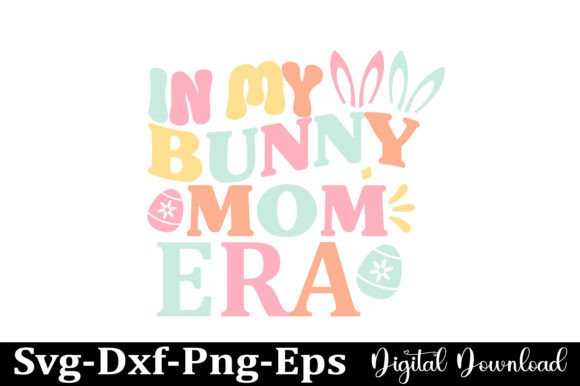
Opening the file, the immediate feeling is one of cheerful, contemporary charm. The design’s title, In My Bunny Mom Era, captures a mood that’s both trendy and deeply personal. The layout, with its central motif and clear lettering, feels balanced and intentional. This isn’t a cluttered, overly detailed graphic; it’s a statement piece with a personality. For embroidery, this translates into a project that’s visually appealing without being overly complex to stitch. The theme naturally belongs to projects celebrating motherhood, personal milestones, or simply a love for all things cozy and cute. It’s a design that invites a smile, which is always a good starting point for a handmade product.
Where This Design Shines in Real Projects
From a practical standpoint, this design has a wide runway for application. Its clean, bold elements make it a strong candidate for custom apparel. I envision it stitched onto a soft cotton sweatshirt or a lightweight tee, creating a personalized gift that feels special. A tote bag would be another excellent canvas—the statement becomes part of a daily usable item. For small business merchandise, like items for a boutique or Etsy listings focused on moms, it has immediate recognition value.
Think of a baby item, like a burp cloth or a small blanket in a nursery set. The playful theme aligns perfectly. As an embroidered patch, it could be applied to a cap, backpack, or apron, offering versatility. For home decor, a simple pillow cover or a tea towel in a kitchen adds a touch of personalized whimsy. The included PNG file with transparent background is a bonus for creating digital product previews or printable mockups to show clients before the stitch work begins, which builds customer trust and professionalism.
The Giftability Factor
This design inherently boosts giftability. Whether for a baby shower, a Mother’s Day present, or a just-for-fun gift for a friend embracing their “bunny mom” phase, the finished product feels thoughtful. The handmade presentation, when executed well, adds a layer of value that a store-bought item can’t match. For creative entrepreneurs, this means your finished item has a clear story and emotional hook, which is crucial for engagement in markets like craft fairs or online shops.
Considerations for Stitching Success
While the design is versatile, its successful translation into thread depends on thoughtful execution. The clarity of the lettering and shapes is key. On small hoop sizes, you need to be mindful. The details need to remain distinct, so I wouldn’t recommend shrinking it too dramatically for a tiny patch on a baby hat without testing first. Stitch density for the fill areas should be planned to avoid a stiff, bulky feel on lighter fabrics like thin cotton.
Textured fabrics or stretchy fabric like jersey require the right stabilizer to keep the clean lines of the design sharp. On dark fabric, thread color contrast is paramount—a white or pale pink satin stitch for the bunny against a navy sweatshirt would pop beautifully. Applying it to curved surfaces like caps requires careful placement to ensure the design sits flat and readable.
The potential challenge areas are likely in any very small, intricate corners or the transitions between elements. A dense stitch area in the bunny’s body, if using a fill stitch, could become heavy. For items that need frequent washing, like apparel or kitchen towels, ensuring your stitch choices and stabilizer use result in a durable finish is essential for product longevity.
Impact on Your Craft Business and Brand
Using a design like this affects more than just the single item. It contributes to your overall handmade presentation and brand consistency. If your shop has a vibe that’s modern, sweet, and personal, this design fits that narrative seamlessly. For apparel decorators or digital product sellers offering the embroidery file itself, its clean vector files (the included SVG, DXF, and EPS) mean it’s scalable and professionally formatted, which matters to clients who are also makers.
The visual appeal of the stitched final product directly influences product value. A clean, crisp embroidery of this design on a high-quality sweatshirt elevates it from a generic garment to a specialty item. This builds buyer engagement and repeat business. For commercial embroidery projects, such as producing a batch for a small shop, the design’s straightforward layout means efficient production and consistent results across multiple units.
A Practical Scenario: The Custom Embroidered Tote
Let’s walk through a real case. Imagine a client orders a custom tote bag as a gift. They select this design. My first step is always to test the design on scrap fabric first, using a similar canvas weight. I check the small details, like the bunny’s ears and the lettering spacing, to ensure they’ll be clear. I then compare light and dark fabric backgrounds in a digital mockup using the PNG file to advise the client on thread colors. For the tote, which is a structured fabric, I’d plan for a balanced stitch density to avoid puckering. The result is a functional, beautiful bag that feels uniquely made. The client’s reaction is predictable: delight. The design’s friendly personality does the heavy lifting.
Essential Designer Notes Before You Stitch
Before you load this file into your machine, here are my grounded recommendations. Always confirm the licensing for the design file you purchased before selling finished items or incorporating it into commercial design assets. The provided file suite suggests versatility, but the specific terms are up to the original seller.
While the product listing includes key formats, it does not specify exact hoop size requirements or stitch count. Therefore, it’s prudent to open the vector files in your software and assess the dimensions relative to your project and machine capabilities. Test it in black and white mockups to see how it holds up without color, which can inform decisions about stitch type.
For the actual embroidery, select thread colors that complement both the design and the fabric texture. A matte cotton thread might suit a natural tote, while a glossy rayon could elevate a special gift item. Use a proper stabilizer appropriate for your base material—this is non-negotiable for preserving the design’s integrity. Finally, ask yourself: does this embroidery project feel right for my personal use or my client’s vision? The answer for In My Bunny Mom Era Svg Design, given its charm and clear application, is often a confident yes.
In the end, this design is a robust embroidery file for crafters and professionals alike. Its strength is in its emotive theme and clean execution, which, with careful stitching practice, leads to finished products that resonate. It’s a reminder that in the world of crafts and graphics, the best designs are those that not only look good on screen but translate seamlessly into thread, telling a story that someone will love to wear, use, or give.